
Introduction
Gold jewellery designs for women have evolved dramatically over centuries, blending traditional craftsmanship with contemporary aesthetics. These timeless adornments serve not only as fashion statements but also as investments that appreciate over time. Precious metal artistry continues to captivate women across generations, with each piece telling a unique story.
From intricate necklace sets to statement rings, the world of gold ornaments offers endless possibilities for personal expression. Modern designs now seamlessly incorporate gemstones, enamel work, and mixed metals to create truly distinctive pieces. Have you noticed how today’s collections balance classic elegance with bold innovation? This fusion approach has revolutionized the jewellery landscape, making gold accessories more versatile than ever before.
The allure of gold jewellery lies in its ability to elevate any outfit while holding cultural significance. Furthermore, each region brings its own distinctive techniques and motifs to the craft. Traditional filigree work, temple jewellery, and minimalist contemporary designs all showcase gold’s remarkable versatility. Whatever your personal style preference, there’s a golden treasure waiting to become part of your collection.
I-Global Trends in Gold Jewellery for Women
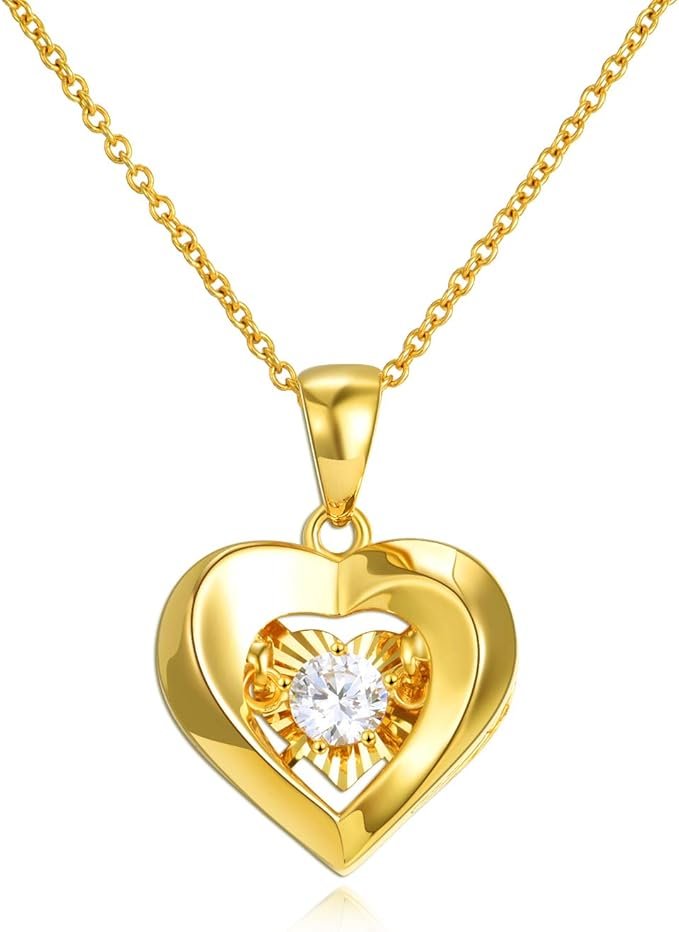
The latest global trends in gold jewellery designs for women reflect a fascinating blend of cultural influences and contemporary aesthetics. From minimalist European pieces to ornate Asian collections, gold adornments continue evolving worldwide. These international trends are reshaping how women select and wear precious metal accessories in their everyday lives and for special occasions.
Looking eastward, countries like India and China dominate with their heritage-inspired gold jewellery designs featuring intricate craftsmanship. According to the World Gold Council, these two nations account for over 50% of global gold jewellery consumption. Middle Eastern influences have introduced geometric patterns and arabesque designs that are gaining popularity across Western markets. Styles evolve quickly. The fusion of cultural elements creates unique hybrid designs that appeal to cosmopolitan women.
Moving to Western trends, minimalist gold pieces with clean lines and subtle details have become staples in fashion-forward collections. Think delicate chain necklaces and stackable rings. Unlike the traditional heavy gold pieces, modern European designs emphasize versatility and sustainability, with many brands now offering recycled gold options. Have you noticed how social media platforms like Instagram have accelerated the spread of these global design influences? This digital cross-pollination has democratized access to diverse gold jewellery styles, allowing women everywhere to experiment with traditions beyond their local markets.
1-Contemporary Design Influences
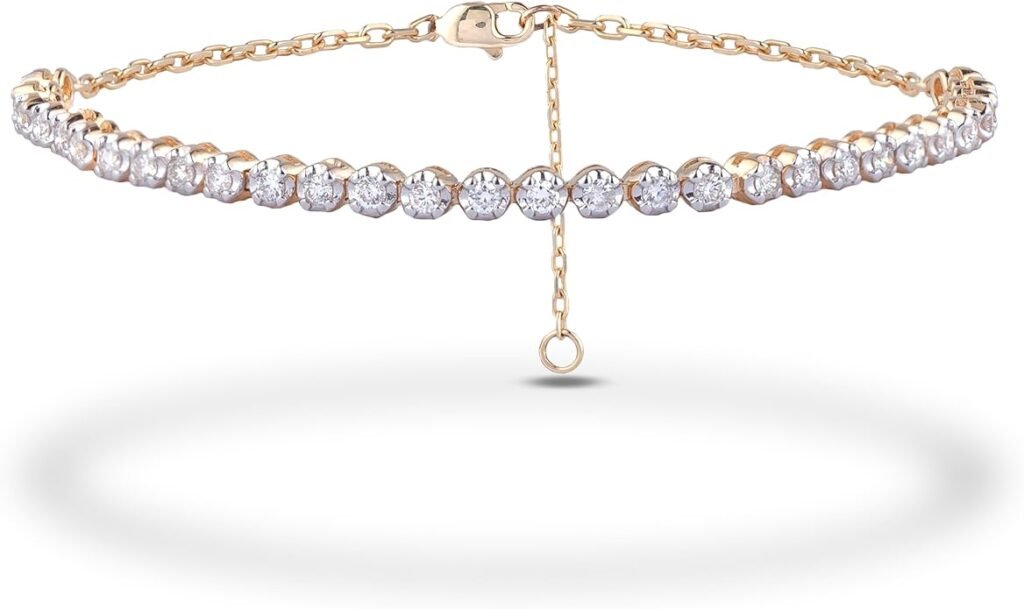
Today’s gold jewellery designs for women blend tradition with modern aesthetics, creating pieces that speak to both heritage and contemporary fashion sensibilities. Minimalist gold chains with geometric pendants have become particularly sought-after. These sleek designs reflect our current cultural shift toward meaningful simplicity, where each piece tells a personal story rather than simply displaying wealth. Have you noticed how architectural influences are reshaping what we consider timeless gold jewellery?
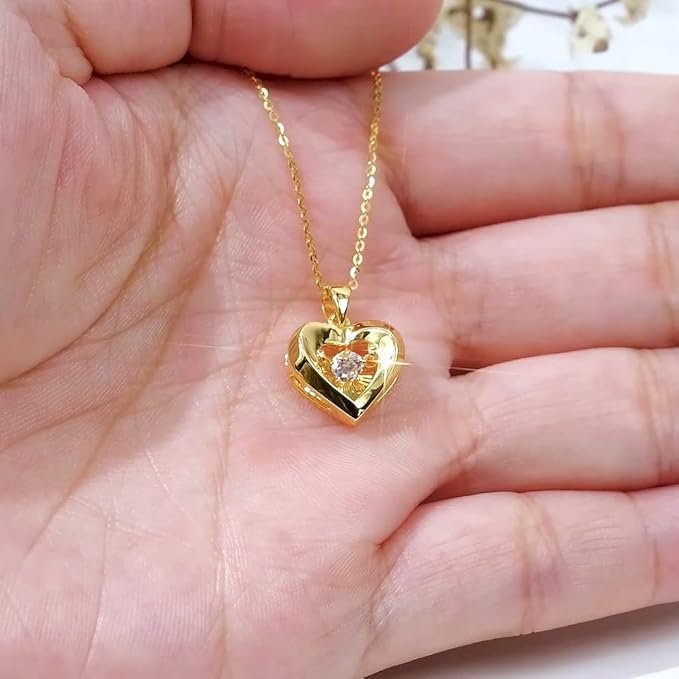
The fusion of global design elements has dramatically transformed modern gold accessories. Designers now incorporate unexpected materials like wood, fabric, and even recycled elements alongside precious gold, creating sustainable luxury statements. The contrast is striking. According to the World Gold Council’s 2023 Retail Trends Report, nearly 65% of millennial consumers prefer gold jewellery designs that incorporate mixed materials or unconventional techniques. This trend toward experimental craftsmanship has given rise to asymmetrical earrings, adjustable gold rings, and convertible necklaces that can be worn multiple ways.
Furthermore, technology has revolutionized gold jewellery creation processes. 3D printing and digital design tools allow for unprecedented precision in crafting intricate gold pieces that would be impossible to create by hand alone. Artisans now seamlessly blend traditional goldsmithing techniques with cutting-edge technology. As a result, we’re seeing gold jewellery with remarkable textural details, impossibly delicate latticework, and customized elements that reflect the wearer’s personality.
2-Sustainable and Ethical Goldsmithing Practices
The beauty of gold jewellery designs for women goes beyond aesthetics when crafted through sustainable goldsmithing practices. Today’s conscious consumers are increasingly seeking eco-friendly gold pieces that align with their values. Ethical gold sourcing ensures your stunning accessories aren’t linked to environmental destruction or human rights violations. Responsible jewelers now offer full transparency about their supply chains.
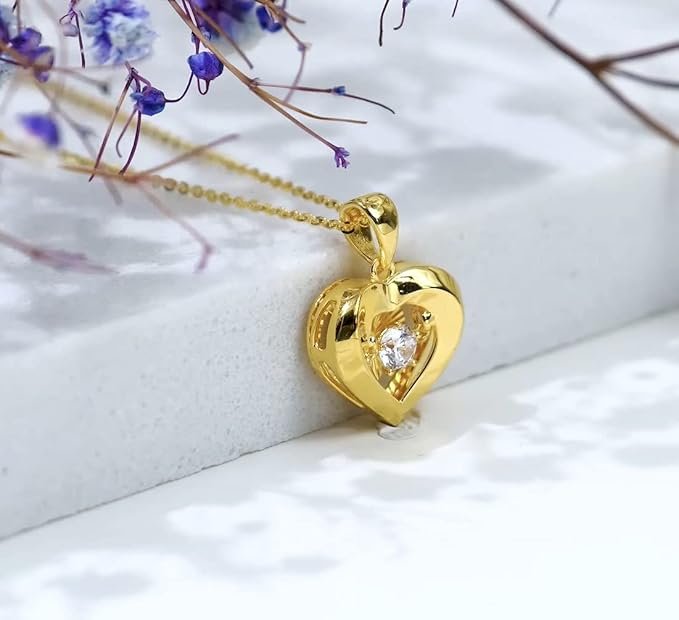
Making the switch to recycled gold represents one of the most impactful choices in ethical jewellery production. This approach reduces the need for new mining operations, which typically generate about 20 tons of waste for just one gold ring, according to the World Gold Council. Artisanal mining cooperatives are changing the industry. Have you considered how your jewellery choices might impact communities around the world?
Beyond sourcing, many ethical goldsmiths employ traditional techniques that minimize chemical usage and energy consumption. These eco-conscious production methods preserve ancient craftsmanship while reducing environmental impact. Water conservation practices and non-toxic polishing compounds further enhance sustainability credentials. Look for jewellers who proudly display Fairmined or Fairtrade Gold certification—these credentials verify that your beautiful gold accessories support proper working conditions and fair compensation for miners in developing regions.
II-Cultural Heritage and Traditional Motifs
Gold jewellery designs for women often reflect centuries of cultural storytelling through intricate patterns and symbolic motifs. These heritage-inspired pieces connect wearers to their roots while making powerful fashion statements. Traditional gold ornaments serve as both adornment and cultural preservation, passing down artistic legacies through generations of craftsmanship.
Ancient symbols and regional artistry significantly influence contemporary gold jewellery collections. Have you noticed how South Indian temple jewellery features divine figures and geometric patterns that haven’t changed for centuries? Meanwhile, North Indian kundan work showcases the meticulous gem-setting techniques perfected by Mughal artisans. These traditional techniques require extraordinary skill. Filigree work, for instance, involves twisting hair-thin gold wires into lace-like patterns that appear impossibly delicate.
The revival of ethnic motifs has transformed modern gold jewellery design landscapes. Traditional elements like peacocks, lotus flowers, and mangalsutras now appear in fusion pieces that honor cultural heritage while embracing contemporary aesthetics. According to the World Gold Council, approximately 70% of Indian brides specifically seek designs incorporating traditional motifs for wedding jewellery. This seamless blending of old and new allows women to celebrate their cultural identity through wearable art that remains relevant across generations, proving that ancestral design languages never truly go out of style.
1-Regional Inspirations in Gold Jewellery
The rich tapestry of gold jewellery designs for women draws heavily from regional artistic traditions across the globe. Each culture infuses distinctive elements into their gold ornaments, creating pieces that tell stories of heritage and craftsmanship. Traditional gold adornments often reflect local history through their patterns. From the intricate temple jewellery of South India to the delicate filigree work of Mediterranean countries, these regional styles have evolved over centuries while maintaining their cultural essence.
Moving beyond geographical boundaries, contemporary designers are now blending regional aesthetics to create fusion pieces that appeal to the modern woman. Middle Eastern influences bring bold geometric patterns and coin elements, while East Asian inspirations contribute minimalist lines and nature motifs. Have you noticed how these regional elements appear in today’s trending collections? The cultural crossover has revolutionized the jewellery landscape. Popular ethnic-inspired pieces include Rajasthani polki necklaces, Greek meander bracelets, and Chinese dragon motifs reimagined in modern gold settings.
According to the World Gold Council, nearly 70% of gold jewellery purchases are influenced by cultural heritage factors. This statistic highlights how deeply regional inspirations resonate with consumers seeking meaningful connections through their accessories. Furthermore, artisanal gold techniques specific to regions—like Japanese Mokume-gane or Italian Etruscan granulation—are experiencing renewed appreciation among collectors and fashion enthusiasts alike. These ancient methods breathe life into contemporary designs while preserving invaluable cultural craftsmanship for future generations.
2-Timeless Traditional Patterns
Traditional gold jewellery designs for women carry centuries of cultural heritage in every intricate detail. These classic patterns showcase masterful craftsmanship that has stood the test of time, becoming treasured heirlooms passed through generations. Temple jewellery from South India features divine motifs and distinctive dome-shaped elements that celebrate ancient architectural influences. The patterns tell stories of bygone eras.
Kundan and Polki designs represent the pinnacle of traditional Indian goldsmithing techniques. These styles feature uncut diamonds set in pure gold with meticulous precision, creating pieces with unmatched brilliance and texture. Moving northward, Rajasthani Thewa work combines gold leaf designs over colored glass, producing a striking visual effect that’s instantly recognizable. Have you noticed how these regional variations all maintain their distinctive character while sharing fundamental design principles?
The resurgence of Nakshi work—characterized by its detailed engravings depicting mythological scenes and nature motifs—demonstrates how ancient techniques continue to captivate modern wearers. According to the World Gold Council, traditional pattern purchases account for approximately 60% of all gold jewellery sales during Indian wedding seasons. Filigree work, with its delicate lace-like appearance created from twisted gold threads, offers a lighter alternative while maintaining traditional aesthetics. These timeless patterns effortlessly complement both festive attire and contemporary fashion statements.
III. Modern Innovations in Gold Jewellery Crafting
The gold jewellery industry has undergone remarkable technological transformations in recent years, blending traditional craftsmanship with cutting-edge innovation. Modern gold artisans now employ 3D printing technology to create intricate designs that were previously impossible to achieve by hand. This digital revolution has democratized custom jewellery creation. Designers can now prototype pieces
in hours rather than weeks, allowing for rapid iteration and refinement before casting in precious gold.
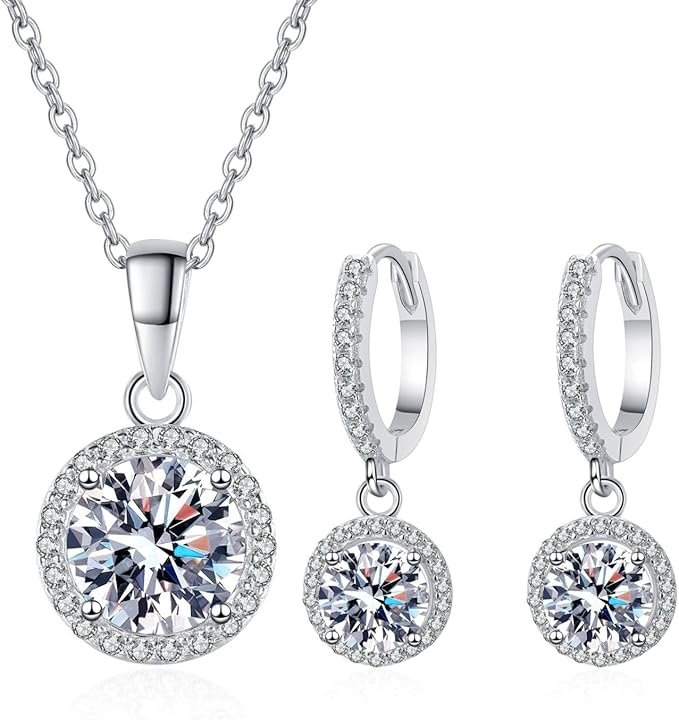
Computer-aided design (CAD) software has become the backbone of contemporary gold jewellery manufacturing, enabling precision down to microscopic levels. According to the World Gold Council, nearly 68% of high-end jewellery manufacturers have integrated CAD systems into their production processes since 2018. The marriage between technology and artistry creates stunning possibilities. Have you noticed how today’s gold pieces feature more complex geometric patterns and impossibly delicate filigree work?
Sustainability innovations are transforming how ethical gold jewellery reaches consumers. Unlike traditional mining practices, new environmentally-conscious extraction methods reduce the carbon footprint by up to 90%. Recycled gold has gained tremendous popularity among eco-conscious buyers seeking responsible luxury. Furthermore, laser welding techniques allow for virtually seamless repairs and modifications, extending the lifespan of heirloom pieces while maintaining their integrity. These advancements ensure that gold jewellery remains both timeless and forward-thinking.
1-Technological Advancements in Design
The gold jewellery crafting industry has been revolutionized by cutting-edge technology that merges traditional artistry with digital innovation. Computer-aided design (CAD) software now enables jewelers to create intricate gold pieces with unprecedented precision and complexity. These digital tools allow for rapid prototyping and visualization before a single gram of precious metal is used. Designs evolve quickly on screen.
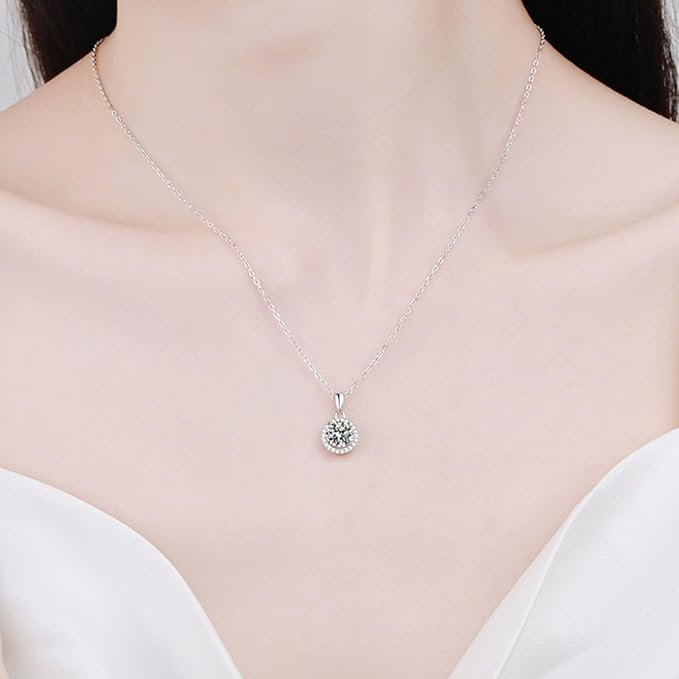
3D printing has transformed how custom gold jewellery moves from concept to creation. What once took weeks now happens in days. With additive manufacturing techniques, jewelers can produce highly detailed wax models that are later cast in gold through the traditional lost-wax method. According to a 2023 report by Technavio, the jewellery industry’s adoption of 3D printing technology has increased by 37% since 2019, significantly reducing production time and material waste.
Beyond design tools, laser technology has elevated the finishing capabilities for gold jewellery to remarkable levels. Modern laser welding and cutting systems allow for microscopic precision when joining delicate gold components or creating intricate patterns. Furthermore, these technologies have democratized custom jewellery creation, making bespoke gold pieces more accessible to consumers seeking personalized adornments. Have you noticed how today’s gold jewellery features more complex geometric patterns and impossibly delicate details than pieces from just a decade ago? This remarkable evolution stems directly from these technological breakthroughs that continue to push the boundaries of what’s possible in gold craftsmanship.
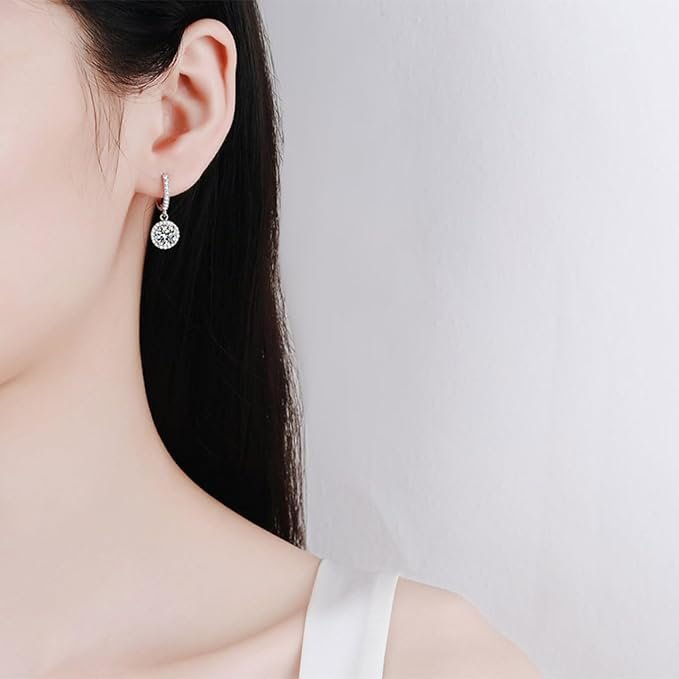
2-Fusion of Traditional Techniques with Modern Aesthetics
The marriage of ancient goldsmithing techniques with contemporary design principles has revolutionized gold jewellery crafting in recent years. Master artisans are now blending time-honored methods like granulation and filigree with sleek, minimalist aesthetics that appeal to modern sensibilities. This fusion creates pieces that honor cultural heritage while feeling unmistakably current. The contrast often tells a compelling story.
What happens when centuries-old craftsmanship meets digital design tools? According to a 2023 World Gold Council report, jewellery pieces featuring this traditional-modern fusion command 35% higher market prices than purely contemporary designs. Modern jewellers are incorporating traditional techniques like repoussé and chasing alongside CAD modeling and 3D printing. However, the human touch remains irreplaceable. Artisans now combine hand-hammering with precision laser cutting to achieve previously impossible textural contrasts.
The most successful contemporary gold jewellery designers maintain a delicate balance between innovation and tradition. Take designer Vania Leles, whose work seamlessly integrates African filigree techniques with architectural forms inspired by urban landscapes. Meanwhile, brands like Alighieri have reimagined ancient coin motifs through a contemporary lens, creating distinctive pieces that resonate with younger consumers. These cross-cultural and cross-temporal approaches ensure traditional goldsmithing knowledge continues evolving rather than becoming museum artifacts.
IV. Customization and Personal Expression
The rise of personalized gold jewellery has transformed how customers express their individuality through precious metal adornments. Modern gold crafting techniques now enable unprecedented levels of customization, allowing wearers to tell their unique stories through bespoke pieces. Artisans can incorporate birthstones, initials, and meaningful symbols with remarkable precision. The demand for custom gold pieces has increased by 37% since 2020, according to the World Gold Council’s latest consumer behavior report.
Beyond simple engravings, today’s gold jewellery customization embraces cutting-edge technologies while honoring traditional craftsmanship. 3D printing has revolutionized the prototyping process. Meanwhile, advanced CAD software allows clients to visualize their designs before production begins. Have you considered how these technologies might help bring your own jewellery vision to life? Many jewelers now offer virtual design consultations where customers collaborate directly with artisans.
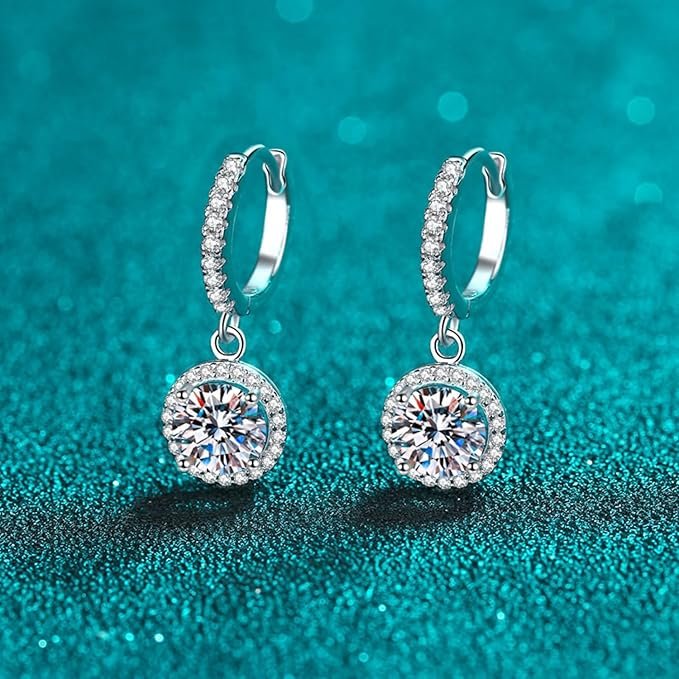
Furthermore, the personalization trend extends to innovative finishing techniques and metal combinations. Rose gold mixed with yellow gold creates stunning two-tone effects that highlight personal design elements. Artisans also experiment with textured surfaces from hammered finishes to intricate milgrain details that make each piece distinctively personal. These customized creations serve as powerful emotional anchors, connecting wearers to significant life moments through wearable art that truly reflects who they are.
1-Bespoke Jewellery Services and Tailored Designs
The personalization revolution in gold jewellery crafting has transformed how customers experience luxury adornments. Bespoke gold jewellery services now offer unprecedented levels of customization, allowing clients to participate actively in the design process. Skilled artisans translate personal stories into wearable art. This collaborative approach creates pieces with genuine emotional resonance.
Moving beyond mass production, custom jewellery design has embraced digital technology while preserving traditional craftsmanship. 3D modeling software enables clients to visualize their custom gold pieces before production begins. Have you considered how these technological advances make unique designs more accessible than ever before? Many ateliers now offer virtual consultations where customers can discuss their vision with master goldsmiths remotely.
The bespoke experience typically follows a refined process that balances client input with expert guidance:
- Initial consultation to explore inspiration, preferences, and budget parameters
- Conceptual sketches and material selection, including gold purity options
- Digital rendering or physical prototype creation for client approval
- Handcrafting by specialized artisans using both traditional and modern techniques
What truly distinguishes today’s custom gold jewellery is the seamless integration of personal narrative with technical excellence. Whereas mass-produced pieces simply decorate, tailored designs celebrate individual identity through precious metal. According to a 2023 Luxury Market Report, demand for personalized gold jewellery has increased by 37% since 2020, reflecting consumers’ growing desire for meaningful luxury experiences.
2-Personalization: From Concept to Creation
The evolution of personalized gold jewellery crafting has transformed how customers connect with their precious pieces. Today’s bespoke gold jewellery process takes clients from initial concept to finished creation through a collaborative journey that merges traditional craftsmanship with digital design tools. Jewelers now offer unprecedented customization options. What makes this process so special for modern consumers?
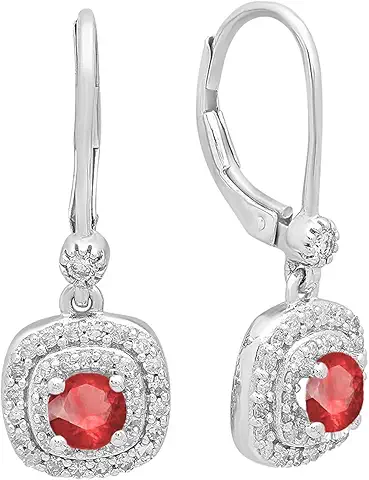
Custom gold design begins with an in-depth consultation where jewelers capture the client’s vision, preferences, and the story behind their desired piece. According to a 2023 Jewellery Industry Report, 78% of luxury jewellery customers now prioritize personalization over brand name when making significant purchases. After the consultation, designers translate these ideas into detailed sketches or 3D renderings, allowing clients to visualize their creation before production begins. This visualization step is crucial for satisfaction.
The final stages of bespoke jewellery creation blend cutting-edge technology with handcrafting expertise. Computer-aided design (CAD) programs enable precise customization of every element, from setting styles to metal thickness. However, the human touch remains irreplaceable. Master goldsmiths then bring these digital blueprints to life through meticulous handwork, creating one-of-a-kind pieces that carry personal significance beyond their material value. The finished creation often becomes a treasured heirloom with a story as unique as its design.
3-Adapting Gold Jewellery Designs for Special Occasions
Special occasion gold jewellery requires thoughtful customization that balances timeless appeal with event-specific elements. Modern artisans now employ innovative techniques to transform traditional gold pieces into occasion-specific statement accessories that complement everything from weddings to corporate milestones. These adaptations often incorporate meaningful symbols or motifs.
Transitioning from everyday pieces to special occasion jewellery involves more than simply increasing embellishment. Contemporary jewellers utilize modular design approaches, creating versatile gold components that can be reconfigured for different events. Have you considered how transformable jewellery might maximize your investment? One leading trend involves magnetic clasps and interchangeable pendants that allow a single gold necklace to shift from subtle daytime wear to evening elegance. According to a 2023 World Gold Council report, convertible gold jewellery sales have increased 37% over the past two years.
Seasonal celebrations present unique opportunities for specialized gold jewellery adaptations. Winter holiday collections often feature snowflake filigree and textured finishes that catch light beautifully. The contrast creates visual interest. Whereas summer wedding season brings minimalist gold designs with nature-inspired elements like delicate leaf patterns or flowing water motifs. Cultural celebrations benefit from gold’s versatility too modern craftspeople skillfully blend traditional symbolism with contemporary aesthetics to create heritage pieces that honor both past and present.
Conclusion
The renaissance in gold jewellery crafting techniques has transformed how we appreciate and value precious metal artistry today. Modern innovations have successfully bridged traditional craftsmanship with cutting-edge technology, creating pieces that honor heritage while embracing contemporary aesthetics. The integration of 3D printing, laser technology, and sustainable practices has revolutionized what’s possible in fine jewellery creation. These advancements allow for unprecedented precision and creativity.
Looking ahead, what might the next decade bring to gold jewellery innovation? The future appears brilliantly promising as ethical sourcing becomes increasingly paramount and digital fabrication continues evolving. Master goldsmiths are adapting rapidly. The marriage between time-honored hand techniques and technological advancements isn’t just changing production methods it’s expanding the artistic possibilities for designers worldwide. Furthermore, consumer preferences for customization and sustainability are driving exciting new directions in the precious metals industry.
As we’ve explored throughout this article, modern gold craftsmanship represents not merely a continuation but a bold reimagining of ancient traditions. The metalworking techniques pioneered by today’s innovative jewellers ensure that gold will maintain its cultural significance while finding fresh expressions in contemporary design. This harmonious balance between respecting tradition and embracing innovation ensures gold jewellery will continue captivating generations to come.